
Dubai, area by area.
Dubai is a city of distinct districts. Choose your base around the sights, beaches, food and pace you want, then build hotels and activities around it.
CHOOSE YOUR BASE
Match the neighborhood to your trip
There is no single best area for every traveler. Start with your priorities, then check the exact hotel location and transport options.
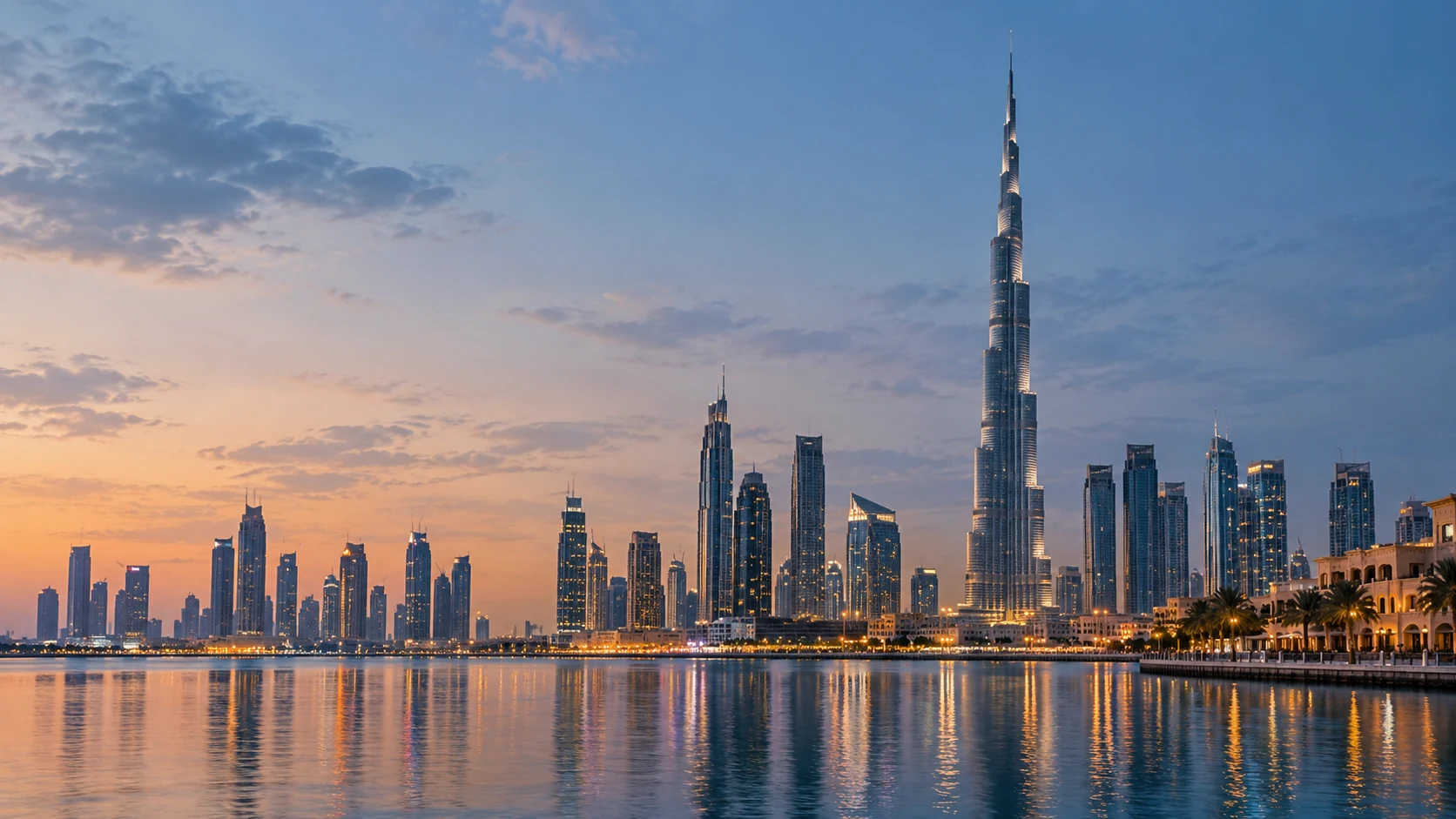
Downtown Dubai
Central for Burj Khalifa, Dubai Mall, Dubai Fountain and major city sights.
See the area →02 · WATERFRONTDubai Marina & JBR
Beach access, Marina Walk, restaurants, watersports and an active evening scene.
See the area →03 · RESORTSPalm Jumeirah
Beach resorts, dining, leisure attractions and a resort-focused stay.
See the area →04 · BEACH & LOCAL LIFEJumeirah & Umm Suqeim
Coastal neighborhoods with beaches, cafés, boutiques and views toward Burj Al Arab.
See the area →05 · HERITAGEDeira & Bur Dubai
Creek-side districts for souks, traditional streets, heritage and local food.
See the area →06 · PRACTICAL BASEAl Barsha & Barsha Heights
Hotels, apartments, dining and Mall of the Emirates with strong road and Metro access.
See the area →LANDMARKS
Downtown Dubai
Choose Downtown when your itinerary is built around Dubai's best-known central landmarks and you want a city-center base.
Downtown is home to Burj Khalifa and Dubai Mall, with promenades, dining and attractions clustered around the core. The Dubai Metro Red Line serves the area at Burj Khalifa/Dubai Mall, while buses and taxis help with shorter connections.
Good fit for: first-time sightseeing, short city breaks, landmark-focused itineraries and travelers who prefer a central base.
WATERFRONT
Dubai Marina & JBR
Pick this side of the city for a beach-and-marina trip with restaurants, walks and water-based activities close by.
Dubai Marina has waterfront towers, Marina Walk, dining and water activities. JBR provides direct access to the beach and sits next to the marina. The area is served by two Metro stations, the Dubai Tram and marine transport.
Good fit for: beach time, couples, families, evening dining, watersports and longer leisure stays.
RESORT STAY
Palm Jumeirah
The Palm works well when the hotel itself is an important part of the holiday.
Palm Jumeirah's trunk and crescent contain resorts, restaurants, beaches and leisure attractions. The Palm Monorail connects key points on the trunk, while Metro and Tram connections can be made via Dubai Marina and Palm Gateway.
Good fit for: resort holidays, beach clubs, family resort stays and travelers who want to spend more time around the coast.
COASTAL DUBAI
Jumeirah & Umm Suqeim
These coastal areas are useful for travelers who want beaches and a more residential-feeling side of Dubai.
Jumeirah stretches along the coast and combines beaches, cafés, boutiques and resorts. Umm Suqeim is another coastal choice, close to well-known beach and Burj Al Arab views. Visit Dubai describes Jumeirah as a coastal district with beaches, boutiques and dining.
Good fit for: beach-focused trips, relaxed mornings, cafés, dining and travelers who do not need to be beside the main Downtown landmarks.
OLD DUBAI
Deira & Bur Dubai
Choose the creek-side districts for markets, heritage, traditional food and a different view of Dubai's history.
Deira sits on the north-east side of Dubai Creek and is known for souks, trading history, dining and creekside activity. Bur Dubai, on the western side, is associated with the city's early settlement and historic neighborhoods. Abra crossings connect parts of the two sides.
Deira is served by both the Red and Green Metro lines, while Bur Dubai has Green Line access around areas such as Al Fahidi and BurJuman.
Good fit for: heritage, souks, local dining, budget-conscious planning and travelers who want to explore beyond modern Dubai.
PRACTICAL BASE
Al Barsha & Barsha Heights
A useful option for travelers who want hotels, restaurants and everyday facilities without staying directly on the waterfront.
Al Barsha is home to Mall of the Emirates and a mix of hotels, apartments, restaurants and residential streets. Barsha Heights adds serviced apartments and hotels in a central New Dubai location.
Good fit for: families, longer stays, apartment-style accommodation and itineraries spread across several parts of Dubai.
OTHER AREAS TO CONSIDER
Business, design and creative districts
Dubai has many more districts than the main tourist bases. The right choice can depend on your hotel, event or specific interests.
GETTING AROUND
Check transport before choosing your hotel
Two hotels with the same neighborhood name can have very different journey times.
Dubai's Metro includes Red and Green lines, while the Tram serves parts of the Marina, JBR and nearby coastal districts. RTA's current network map and journey planner are useful for checking stations and connections before booking.
For each hotel, check the walking distance to the nearest Metro or Tram station, the number of transfers needed for your main attractions, parking if you plan to drive, and likely taxi time at busy periods. For Palm Jumeirah, also check access to the Monorail or your hotel's transfer options.
PLAN THE STAY
A simple way to choose your Dubai area
Use your itinerary, not a neighborhood label alone.
RELATED DUBAI GUIDES
Keep planning
Once you choose an area, build the rest of the trip around it.
Dubai Hotels
Compare where to stay by neighborhood, trip style and practical hotel considerations.
Explore hotels →ACTIVITIESThings to Do in Dubai
Build an itinerary around attractions, beaches, desert experiences and Old Dubai.
Explore activities →ITINERARYDubai 3-Day Itinerary
Turn your neighborhood choice into a practical short-trip plan.
Read the itinerary →FAQ
Dubai neighborhood questions
Quick answers to common area-planning questions.
Continue with the Dubai guide.
See the full destination overview, practical planning, hotels and things to do.